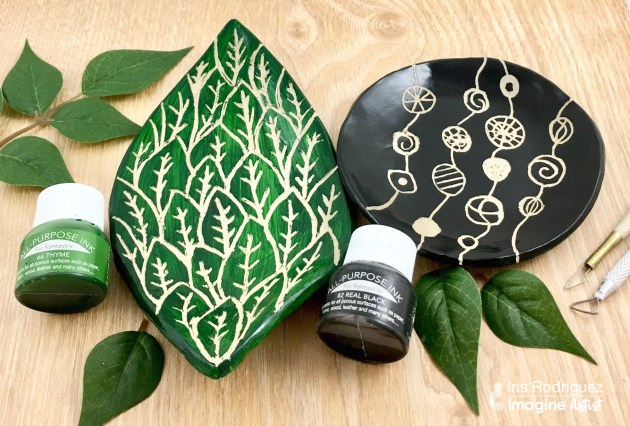
Sgraffito (an Italian word meaning “to scratch”) is a decorating pottery technique produced by applying color to clay then scratching off parts of the clay when it is leather hard, creating contrasting images, patterns, and texture that reveal the clay color underneath. This technique has been around since around the 15th century. For this project, we’ll follow in the footsteps of potters in making sgraffito bowls (minus kilns or firing glazes). Instead, the bowls are made with store-bought air dry clay that is similar in texture and behavior as ceramic earthenware clay and Tsukineko’s All-Purpose Ink.
Skill: Intermediate
Time: 1 hour to make the bowls, 2 days total for bowls to air dry
Directions
Step 1
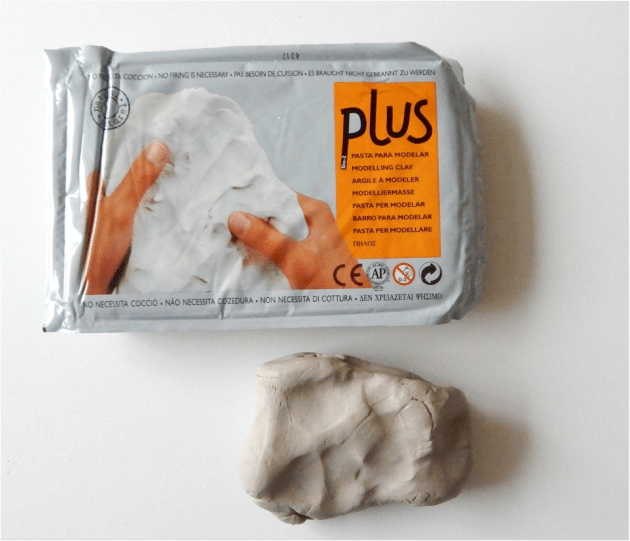
First, let’s talk clay. For this project, I used Activa Plus clay. I like this clay because it’s similar and behaves like earthenware ceramics clay, ideal for sgrafitto. This clay is fine, moist, malleable, firm, but not hard. Keep it moist by spraying a little water. Adding water also makes it softer. When the clay is wet, it is beige like color, and when dry it turns off white color. Imagine’s All-Purpose ink is ideal because it’s a lightweight, but highly pigmented ink and the clay is porous, which, allows the ink to seep through. It clay air dries. The rate that it dries will depend on the thickness of the project and room temperature. The drier the room, the faster it dries.
Step 2
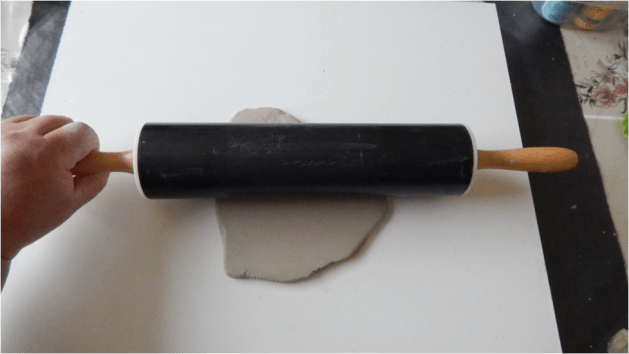
Roll out a sheet of clay. You can use a roller used roll out dough or use a clay roller.
Step 3
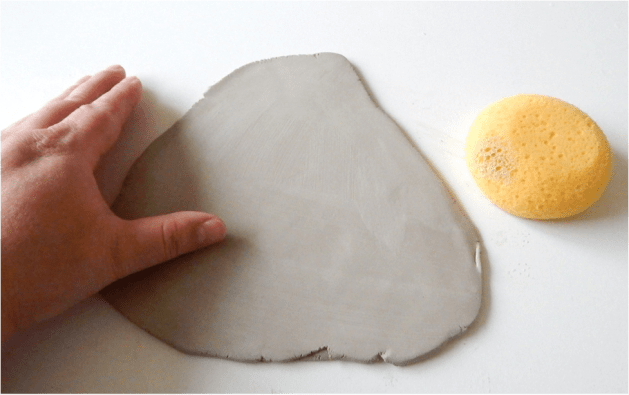
The clay is usually very smooth when it’s rolled out. If it is not, then smooth out the clay with your fingers, clay scraper or wet sponge.
Step 4
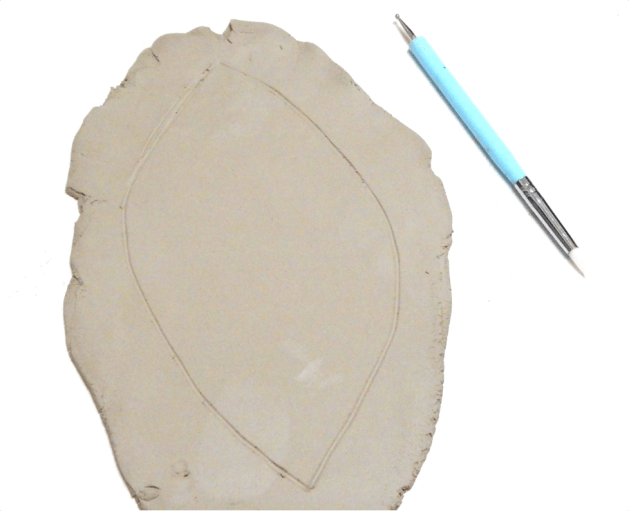
Using a stylus, draw out the desired shape. Use a template or other item you can place over the clay and trace. If you change mind, remove the line by smoothing out the clay.
Step 5
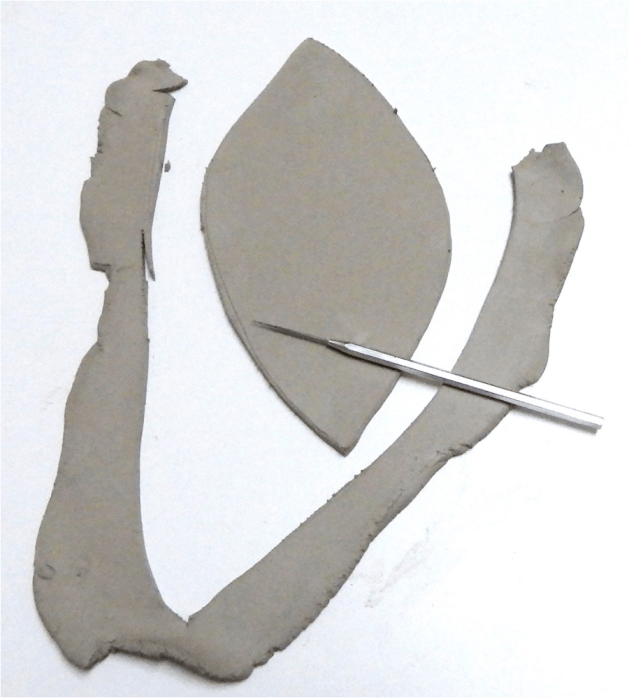
Using a clay needle tool or knife, cut out the shape. Smooth out the edges with your fingers. Also cut out a small piece of clay, as a test sample.

Step 6
Using a stylus, lightly draw your images. If you change your mind, erase it, by smoothing out the clay.
Step 7
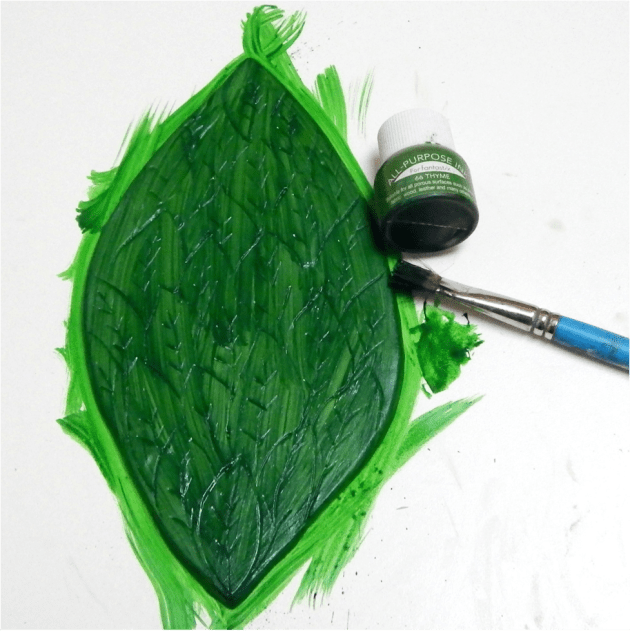
Paint the clay with the Thyme All-Purpose ink. Use a soft brush, so that you don’t get brush strokes. Also, paint the clay sample. I like painting the clay while it’s wet, because this clay is very porous, the paint seeps in nicely into the clay.
Step 8
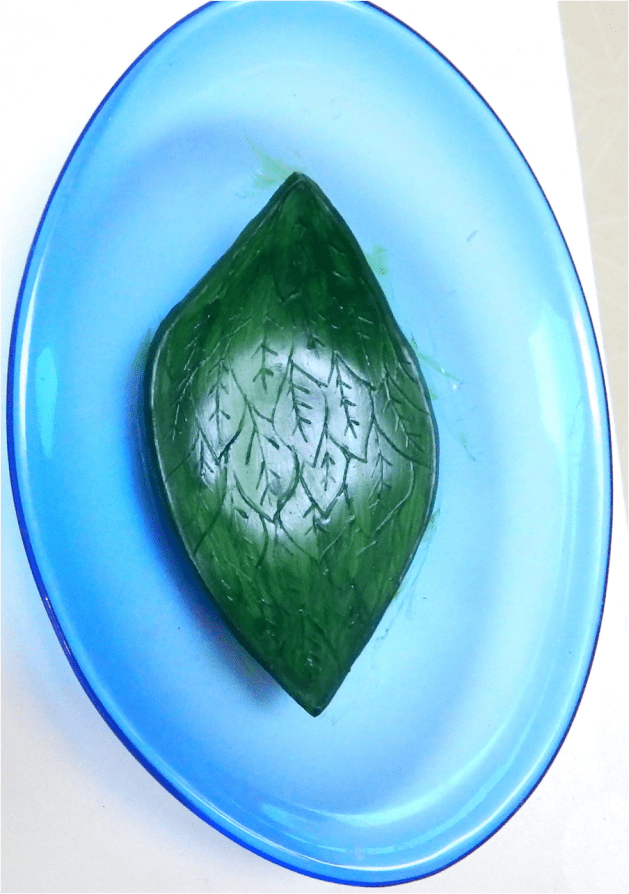
Place the clay bowl into a real bowl or other object and allow it dry. It will take on the shape of the object. Let dry for 8-12 hours, but no more than 12 hours. The rate of dryness will vary on humidity and dryness. The drier the room or if placed in the sun, the faster it dries. Test your sample clay by carving into it. If you can carve without the clay distorting or dragging; the shaving is coming off cleanly, then you are ready to carve.
Step 9
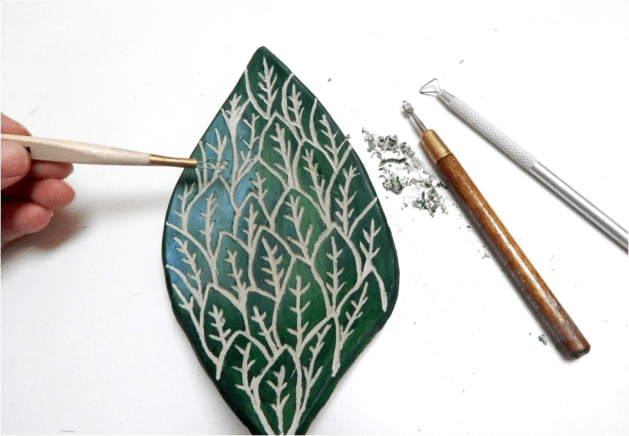
Carve out the image that you drew earlier with clay carving tools or carving tools used to carve rubber stamps. I tried both and found both works well. Do not wipe off the clay crumbs with your fingers, only wipe off with a dry, clean paintbrush. This prevents from accidentally distorting the clay, or break off unwanted pieces of clay.
Step 10
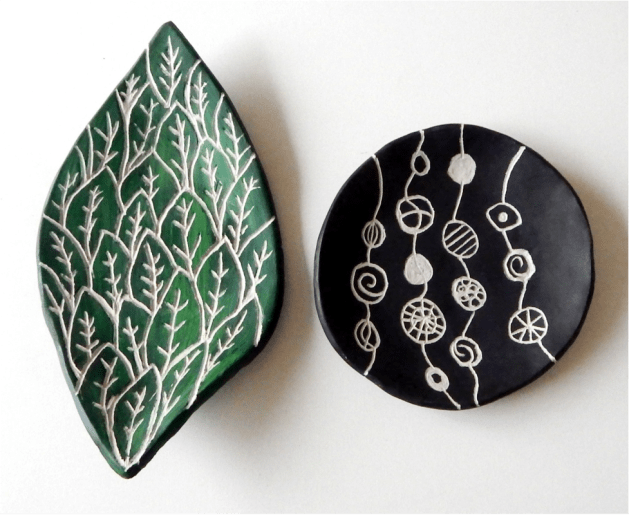
After carving the images, allow the bowls to dry for another full day. Test by looking at the natural clay color; it will turn an off-white when dry. Also, if the clay feels cold then it’s still wet. It’s important to seal the bowls with spray sealers, or brush on sealers like polyurethane. The sealer protects the ink and clay from liquids, dust or other particles and looks nice and finished.
Supplies
Imagine
Other
- Activa Plus Self Hardening Clay – White
- Clay carving tools or rubber stamp carving tools
- Sealer (spray, or polyurethane)

 Imagine Blog